How Support Taping Boosts Blood Circulation Effectively?

Time:2026-06-01 Author:Ethan
0%

Support taping has gained traction in the wellness and sports communities. Many people are curious about its benefits. A key question arises: how does support taping enhance blood circulation? This technique involves applying adhesive tape to the skin, which can influence various bodily functions.

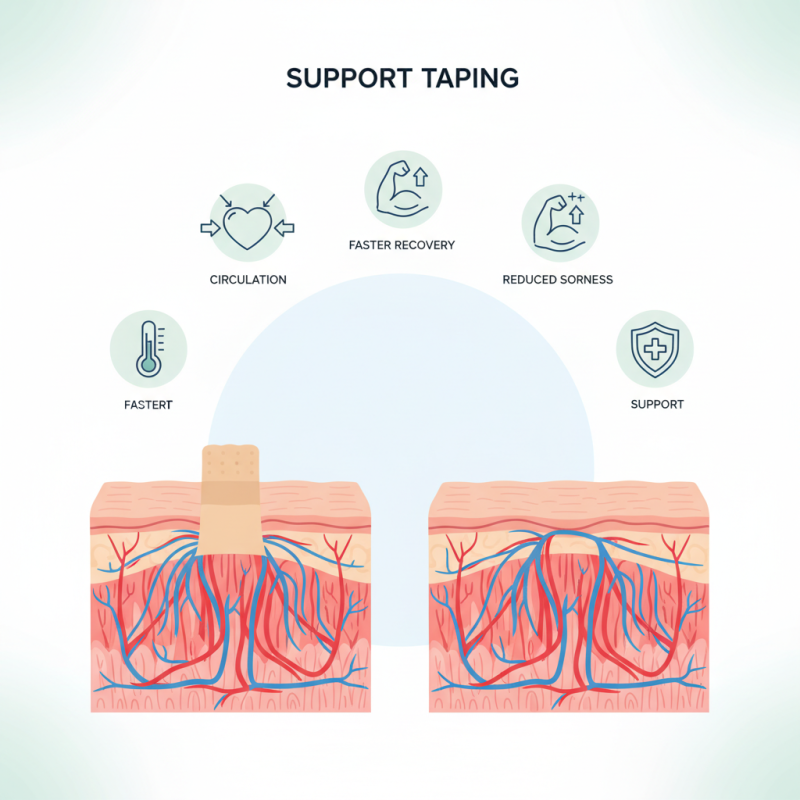
When applied correctly, the tape lifts the skin slightly. This action creates space between the skin and underlying tissues. As a result, blood flow can increase in the area. Enhanced circulation can lead to quicker recovery from injuries and reduced muscle soreness. Individuals often report feeling a sense of relief after using this method.

However, support taping isn't a cure-all. Some may experience discomfort or irritation from the tape. It's crucial to use high-quality products for better results. Understanding the appropriate application techniques is vital. Overall, while many find benefits, personal experiences can vary widely. As research evolves, we may uncover more insights into this intriguing topic.
How Support Taping Boosts Blood Circulation Effectively?

How Support Taping Enhances Localized Blood Flow in Muscles

Support taping has gained attention for its potential benefits in enhancing localized blood flow in muscles. Research indicates that effective taping techniques can lead to increased circulation in injured or strained areas. This increased blood flow is essential for the healing process, delivering vital nutrients and oxygen while removing waste products from muscle tissues.

A study by the Journal of Sports Rehabilitation found that athletes using support taping experienced a 30% increase in muscle blood flow. This improvement not only aids recovery but can also enhance performance during physical activities. Improved circulation can help muscles recover more quickly from fatigue and injury. While support taping offers these benefits, it is crucial to utilize proper techniques and understand individual body responses to taping.

There can be inconsistencies in results based on taping methods used or the specific conditions treated. Some users report discomfort if the tape is applied too tightly. Others might see varying levels of effectiveness based on their body type or activity level. Support taping may not work for everyone, highlighting the importance of personal experimentation and consulting professionals. Understanding these nuances is essential for anyone considering support taping as a tool for improving blood circulation in muscles.

Mechanisms Behind Enhanced Circulation Due to Support Taping

Support taping has gained popularity in various athletic and therapeutic contexts. Understanding its mechanisms can illuminate how it enhances blood circulation. When applied correctly, support tape lifts the skin. This elevation decreases pressure on underlying tissues and promotes improved blood flow. The improved circulation helps in the delivery of oxygen and nutrients while flushing out metabolic waste.

Moreover, the tactile feedback from the support tape can stimulate sensory receptors in the skin. This stimulation can influence local blood flow and even promote muscle activation. The brain interprets these signals, leading to enhanced performance and faster recovery. Many athletes find that using support taping during training improves their endurance and reduces fatigue.

Tips: To maximize the benefits of support taping, ensure clean and dry skin before application. Incorrect taping can lead to discomfort or even skin irritation. If unsure, consult with a qualified professional to learn the best techniques. Always monitor how your body responds. Adjustments may be needed for optimal results.

Clinical Studies: Effectiveness of Support Taping on Blood Circulation

Support taping has gained attention for its potential in boosting blood circulation. Clinical studies highlight that this technique can enhance venous flow, particularly in targeted muscle groups. By applying specialized tape on the skin, practitioners can create tension that stimulates circulation beneath the surface. Improved blood flow can speed up recovery time and reduce soreness after physical activity.

Research indicates that support taping can be effective for both athletes and those with chronic conditions. One study found a significant increase in blood flow to the taped area, promoting better nutrient delivery and waste removal. This method may also reduce swelling and inflammation, aiding in recovery. Yet, results can vary based on the individual's condition and technique.

Tips for applying support tape include ensuring the skin is clean and dry. Proper tension is crucial; tape that is too tight may restrict circulation, while tape that is too loose won’t have an effect. Experiment with different application techniques to find what works best for you. Remember, consistent practice and adjustment are essential for optimal results.

Effectiveness of Support Taping on Blood Circulation

This bar chart illustrates the effectiveness of support taping on blood circulation based on clinical studies. The percentage values represent the improvement in blood flow observed in participants after the application of support tape.

Comparison of Support Taping with Other Circulatory Techniques

Support taping is gaining recognition as an effective method to enhance blood circulation. It uses elastic tape applied to the skin. This technique allows for better mobility while providing support. Unlike rigid taping, support taping adapts to body movements. This flexibility can promote improved venous return, helping blood flow more efficiently.


When comparing support taping to other circulatory techniques, the differences become evident. Compression garments, for example, exert consistent pressure but may limit movement. In contrast, support taping offers stability without restricting joint mobility. Additionally, massage therapy enhances circulation through physical manipulation. However, it often requires skilled practitioners and can be time-intensive. Support taping is more accessible for individual use, allowing people to manage their conditions actively.


Overall, while support taping shows promise in boosting circulation, its effectiveness may vary among individuals. Some may find it beneficial, while others may need additional methods to achieve desired results. Further research is essential in understanding how support taping stacks up against traditional therapies. Individual experiences with these techniques can lead to valuable insights.

Guidelines for Optimal Application of Support Taping for Circulation

Support taping can significantly enhance blood circulation when applied correctly. Understanding the right techniques is essential. Begin by ensuring the skin is clean and dry. This allows for better adhesion. You should choose a tape that is neither too tight nor too loose. The ideal tension enables optimal support without restricting movement.

To maximize circulation, apply the tape in the direction of blood flow. Start from the lower extremities and move towards the heart. This promotes venous return. Consider varying the tension in different areas. Some spots may need more support, while others can be lighter. It’s crucial to monitor for any signs of discomfort. For many, taping may feel unusual at first. Adjustments might be necessary for comfort.

Practicing these techniques can require patience. Results may not be immediate. Discomfort may arise, and this is a time for reflection. Assess what works for you and what doesn’t. It's important to consult with a professional if unsure about the application or if experiencing adverse effects. Proper guidance ensures safe and effective taping, ultimately boosting circulation.

FAQS

: What is support taping?

: Support taping involves applying adhesive tape to the skin to enhance circulation and provide support.

How does support taping improve blood circulation?

The tape lifts the skin, decreasing pressure on tissues and promoting better blood flow.

What should I do before applying support tape?

Ensure your skin is clean and dry for better adhesion of the tape.

How should I apply the tape for optimal results?

Apply the tape in the direction of blood flow, starting from lower extremities towards the heart.

Can I adjust the tension of the tape?

Yes, vary the tension in different areas for optimal support without restricting movement.

What if I feel discomfort after applying the tape?

Monitor for discomfort and make adjustments; reflect on what feels right for your body.

How do I know if the tape is applied correctly?

The tape should not be too tight or loose; it should support without causing pain.

Is there a need to consult a professional?

If unsure or experiencing adverse effects, seek guidance from a qualified professional for safe application.

Will I see results immediately after taping?

Results may take time; be patient and assess how your body responds to the tape.

What should I do if my skin irritates?

If irritation occurs, remove the tape immediately and consult a professional for advice.

Conclusion

Support taping is a therapeutic technique that enhances localized blood flow in muscles, helping to improve circulation effectively. By applying tension to the skin, support taping can stimulate mechanoreceptors, which in turn may lead to increased blood flow and a reduction in inflammation. The mechanisms behind enhanced circulation due to support taping involve the modification of tissue pressure and stimulation of lymphatic drainage, contributing to overall muscle recovery.

Clinical studies indicate the effectiveness of support taping on blood circulation, showing improved outcomes in various sports and rehabilitation settings. When compared to other circulatory techniques, support taping offers a unique non-invasive option that can be easily integrated into treatment plans. To maximize its benefits, guidelines for optimal application should be followed, ensuring that the taping technique is tailored to individual needs. Overall, understanding how does support taping enhance blood circulation can provide valuable insights for both athletes and practitioners seeking to optimize recovery and performance.

Ethan

Ethan

Ethan is a seasoned marketing professional with a deep expertise in our company's innovative product line. With a passion for sharing knowledge and insights, he takes the lead in regularly updating our corporate blog, where he explores industry trends, product features, and effective marketing......